Renting long-term in Thailand: the parts nobody explains
May 20, 2026 · By Real Estate Thai Property
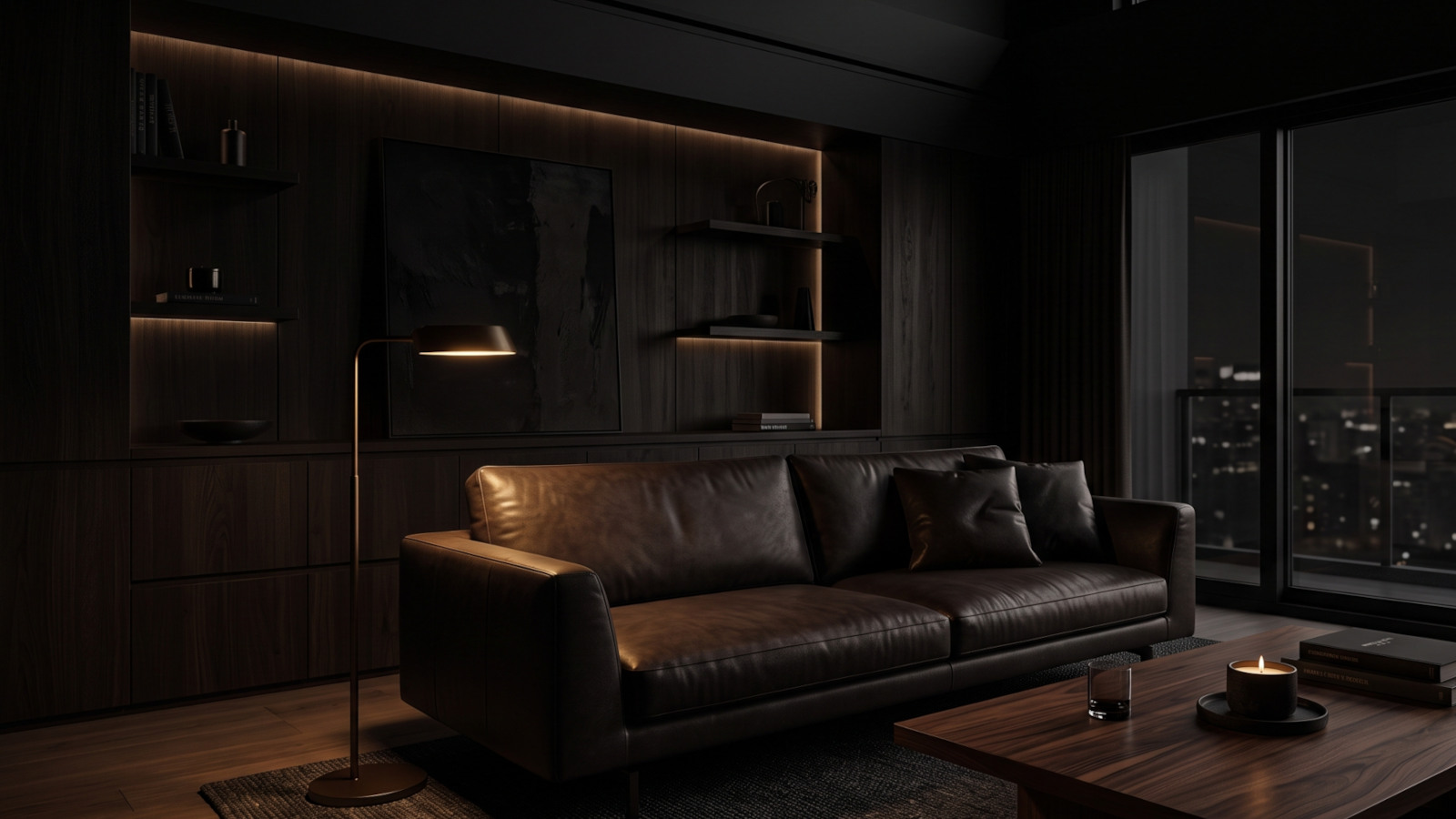
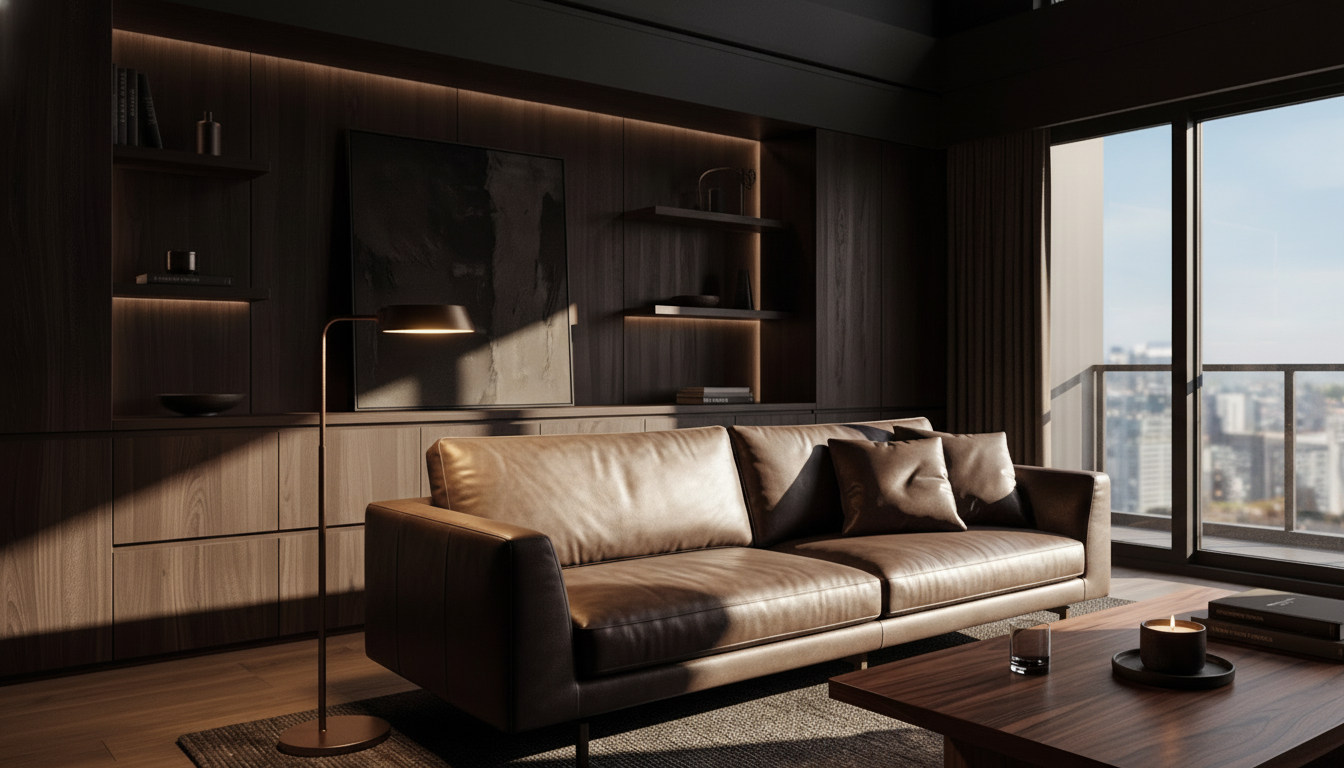
A standard Thai long-term lease is twelve months, two months' deposit, one month in advance. That much you will hear everywhere. What follows is the part that usually gets explained after you've signed.
The deposit is the negotiation
Thai rental deposits are two months' rent by convention, and the fights at the end of a tenancy are almost always about them. Protect yourself on day one:
- Walk the property with your phone out. Photograph every existing mark, stain and chip, and email the set to the landlord or agent the same day so it is timestamped.
- Test everything before signing — every air-conditioner, the water heater, the pump. "It was working when you moved in" is hard to argue with later.
- Agree in writing what "wear and tear" means. Repainting after a two-year tenancy is the landlord's cost in any fair reading; some landlords will try to make it yours.
A landlord who resists documenting the handover condition is telling you how the exit will go.
Electricity: the question to ask first
In houses and most condos, you pay the utility directly at the government tariff. In serviced apartments and some older buildings, the landlord re-bills electricity at their own rate — commonly 50–100% above the government tariff. Over a hot season with air-conditioning, the difference is real money.
Ask one question before viewing: "Is electricity billed direct or through the building, and at what rate per unit?" The answer changes the true monthly cost more than most rent negotiations do.
TM30 and why it matters to you
Thai law requires the property owner to report a foreign tenant's residence to Immigration (the TM30 filing). It is the landlord's duty, but you feel the consequences: without the receipt, visa extensions and residence certificates stall.
Confirm before signing that the landlord knows the obligation and will file. If they've hosted foreign tenants before, this is routine. If they look puzzled, budget time at the Immigration office.
What is actually negotiable
More than most tenants assume, especially on properties that have sat empty:
- Price, against term. Offering 18–24 months is the strongest card for a meaningful discount.
- Furniture. Owners of unfurnished houses will often add or remove big items for a committed tenant.
- Pets. "No pets" is frequently an opening position rather than a policy — a pet deposit resolves it more often than people expect.
- The diplomatic clause. If your employment could move you, ask for a break clause after month six with two months' notice. Common in Bangkok, rarer in resort areas, worth asking everywhere.
What is rarely negotiable: paying monthly without the two-month deposit, and — for leases under three years — expecting the contract to bind a new owner if the property is sold. Registered leases do; ordinary rental contracts may not.
Our rental listings state the deposit, the electricity arrangement and the TM30 practice up front, because those three answers are what a viewing is really for. If you'd rather ask a person, we answer inquiries within a business day.