Buying Property in Thailand: The Complete Expat Buyer's Guide
July 14, 2026 · By Real Estate Thai Property
Buying Property in Thailand: The Complete Expat Buyer's Guide
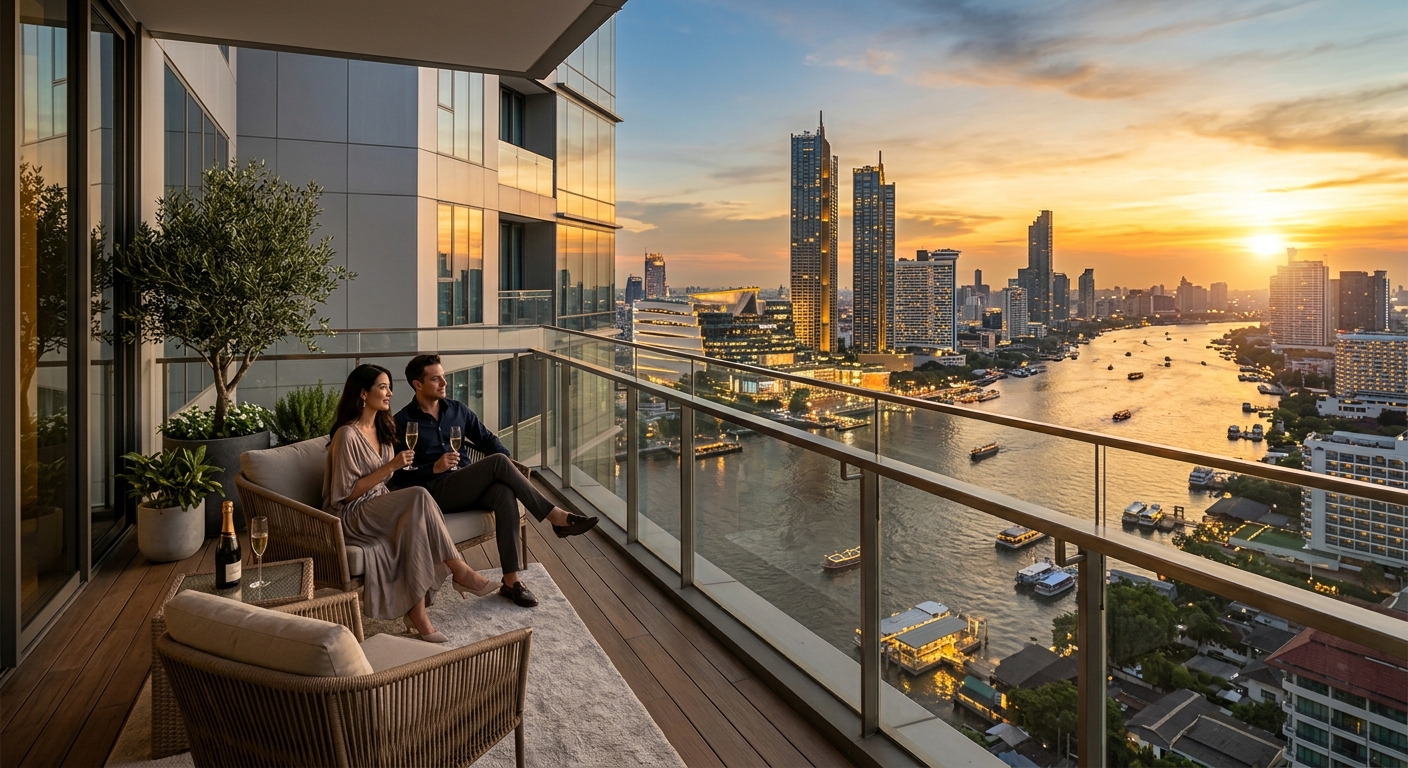
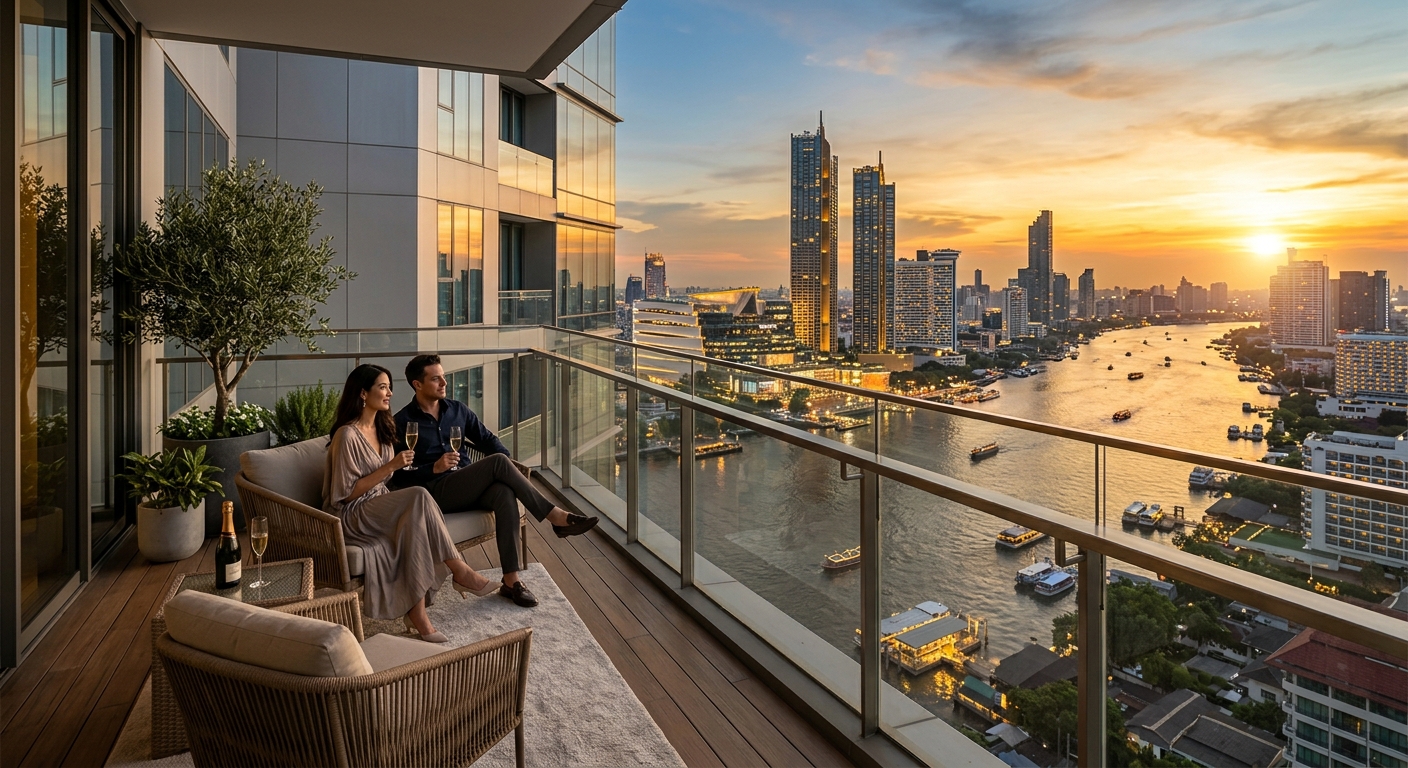
For many expats, remote workers, and retirees, the dream of owning a slice of paradise in Southeast Asia is incredibly alluring. From the bustling, neon-lit high-rises of Bangkok to the serene, palm-fringed beaches of Phuket and Samui, the real estate Thai market offers diverse opportunities.
However, navigating a foreign property market can be daunting. Thailand has distinct legal frameworks, unique financing restrictions, and complex transaction pathways that differ significantly from Western markets. If you fail to prepare, you risk encountering legal disputes, financial losses, or unviable structures.
This comprehensive guide is designed to walk you through the entire process to buy property Thailand-wide. We will unpack the legal structures, dissect the financial and transfer requirements, outline the step-by-step transaction milestones, and highlight the pitfalls you must avoid.
1. The Legal Reality: Can Foreigners Own Property in Thailand?
The short answer is: yes, but with major restrictions.
Under Thai law, foreigners cannot own land outright in their own name. However, the legal landscape provides secure pathways for foreigners to acquire residential properties, provided they navigate the options correctly.
The Condominium Act and the 49% Foreign Quota
The most straightforward and popular path for expats is purchasing a condominium. Under the Thailand Condominium Act, foreigners can own a condominium unit outright under a "Freehold" title (known as Chanote), provided that total foreign ownership within that specific condominium building does not exceed 49% of the total space.
This is called the Foreign Quota. The remaining 51% of the building's floor space must be owned by Thai nationals or Thai entities (the Thai Quota).
When you purchase a condo under the Foreign Quota:
- You receive a title deed (Chanote) in your name.
- You hold the property in perpetuity.
- You can sell, lease, or pass the property down to your heirs.
Alternative Structures for Land and Villas
If your goal is to own a villa, townhouse, or land, direct freehold ownership in your name is not legally permitted. To navigate this, buyers rely on specific legal arrangements.
To understand these structures in detail, explore our comprehensive guide on the three ways foreigners actually hold Thai property.
Briefly, the two primary alternatives to freehold condo ownership include:
- Leasehold Agreements: You register a long-term lease at the local Land Department. The maximum legal lease term in Thailand is 30 years. While contracts often promise "30+30+30" year renewals, these renewals are contractual agreements between you and the landlord, rather than automatic statutory rights.
- Thai Limited Company: Historically, some expats set up a Thai company to purchase land, where the company holds the freehold title. However, the Thai government strictly monitors this. Using "nominee" Thai shareholders (people paid to hold shares with no actual investment or decision-making power) to bypass the law is illegal. If you use a company structure, it must be a legitimate, active business with real Thai partners.
2. Understanding the Thai Real Estate Market
Before you begin your property buy thailand journey, you must familiarize yourself with how properties are marketed, measured, and classified.
Regional Market Profiles
- Bangkok: The economic engine. Properties here are dominated by high-rise condominiums catering to working professionals, expats, and institutional investors. Capital growth and rental yields are highly dependent on proximity to Mass Transit lines (BTS Skytrain and MRT Subway).
- Phuket & Koh Samui: Prime resort markets. Here, the focus is on luxury pool villas, vacation condos, and sea-view apartments. These locations are popular for lifestyle buyers and holiday rental yields.
- Chiang Mai: A cultural hub in the north. Popular among digital nomads and retirees seeking a slower pace of life, lower cost of living, and cooler mountain air. Properties are generally more affordable than in Bangkok or the islands.
Title Deeds and Land Measurements
When looking at land listings or off-plan villa projects, you will encounter unique measurements and title types. Thailand does not use square feet or square meters for land listings. Instead, they use a traditional system of Rai, Ngan, and Square Wah.
If you encounter terms like "Rai" or "Wah" in a listing, you must know how to translate them to understand what you are paying for; read our guide on how to read rai, ngan, and wah title deeds to avoid costly errors and ensure you are getting exactly what is written on the contract.
Furthermore, always ensure the property sits on a Chanote (Nor Sor 4 Jor) title deed. This is the highest level of land title in Thailand, offering accurate GPS-surveyed boundaries and undisputed ownership rights. Avoid lower-grade titles like Nor Sor 3 Gor unless you have an exceptionally skilled lawyer vetting the history of the land.
3. Step-by-Step Purchase Process: The Five Key Milestones
Successfully making a property buy thailand transaction requires methodical planning. The purchase process generally moves through these five distinct stages.
[1. Property Selection & Verification] ➔ [2. Reservation Agreement] ➔ [3. Due Diligence] ➔ [4. Sales & Purchase Agreement (SPA)] ➔ [5. Closing & Transfer]
Step 1: Property Selection and Initial Negotiation
Once you find a property, you negotiate the price, payment terms, and how the transfer fees and taxes will be split between you and the seller. Do not agree to anything verbally without preparing to document it immediately.
Step 2: The Reservation Agreement and Deposit
To take the property off the market, the seller or developer will require a reservation deposit (typically ranging from 50,000 to 200,000 THB, or 1% to 2% of the purchase price).
- Caution: Reservation deposits are generally non-refundable unless specified otherwise. Ensure the reservation agreement states that the deposit is refundable if the property fails due diligence checks.
Step 3: Comprehensive Due Diligence
This is the most critical step. Your independent legal representative will perform several checks:
- Title Search: Verifying that the seller is the legal owner, the title deed is genuine, and there are no outstanding mortgages, liens, or encumbrances registered against the property.
- Building Regulations & Zoning: Checking if the building complies with local environmental, zoning, and height restriction laws.
- Developer Vetting (for off-plan): Analyzing the developer’s track record, financial stability, and pending litigation history.
Step 4: The Sales and Purchase Agreement (SPA)
Once due diligence is cleared, the seller’s lawyer or the developer will issue the SPA. This contract outlines the payment schedule, construction timelines (for off-plan), penalties for delays, and details of who pays which taxes. Your lawyer should review and negotiate this contract to protect your interests.
Step 5: Transfer of Ownership at the Land Department
The transaction culminates at the local Land Department branch. Both parties (or their authorized representatives via Power of Attorney) present the required documentation, pay the transfer fees and taxes, and register the transfer of ownership. The Land Department then issues the new title deed showing your name.
4. Financial Mechanics: Funding and Taxes
Funding a real estate purchase in Thailand has strict structural requirements that expats must follow to secure their title.
The Foreign Transaction Form (FET) Requirement
If you are a foreigner buying a condominium under the Freehold Foreign Quota, you must bring 100% of the funds from outside Thailand.
You cannot use money earned locally in Thailand or cash brought over the border to pay for the unit.
- The Mechanism: You must transfer the funds in foreign currency (e.g., USD, EUR, GBP, AUD) from an overseas bank account to your Thai bank account.
- The Instruction: In the transfer instructions, you must write a specific purpose message, such as: "For the purchase of Condominium Unit [Unit Number] at [Project Name] by [Your Full Name]".
- The Document: Once the funds arrive, your Thai bank will convert them into Thai Baht and issue a Foreign Transaction Form (FET) (formerly known as a Tor Thor 3) for transfers exceeding $50,000 USD (or equivalent). You must present this FET certificate to the Land Department during the transfer process. Without it, the Land Department will not register the condominium in your name.
Taxes and Transaction Fees
When transferring property, several government taxes and fees apply. They are typically split between the buyer and seller based on the terms negotiated in the SPA:
| Fee / Tax Type | Rate | Who Typically Pays? | Notes | | :--- | :--- | :--- | :--- | | Transfer Fee | 2% of assessed value | Split 50/50 | Calculated on the government assessed value. | | Specific Business Tax (SBT) | 3.3% of registered or assessed price (whichever is higher) | Seller | Applies if the seller has owned the property for less than 5 years. | | Stamp Duty | 0.5% | Seller | Only applicable if the 3.3% SBT does not apply. | | Withholding Tax | Progressive (Personal) or 1% (Corporate) | Seller | Income tax calculated on the property’s value. |
5. Critical Pitfalls to Avoid
When venturing into the real estate Thai market, keeping your emotions in check and staying analytical is vital. Avoid these common mistakes:
1. Using the Developer’s or Seller’s Lawyer
Never rely on the seller's or developer's in-house legal team to handle your side of the contract. They represent the seller’s interests, not yours. Always hire an independent, licensed attorney who is fluent in both Thai and your native language.
2. Buying purely on emotion (Off-Plan Risks)
Off-plan developments offer beautiful 3D renders and flexible payment schedules. However, project delays and developers going bankrupt are real risks. Vet the developer thoroughly, visit completed projects they have built, and ensure the SPA includes clear delay penalty clauses.
3. Ignoring the Long-Term Picture
Before locking up capital in a property, consider your lifestyle flexibility. For some, renting is a far better starting point to understand the country's neighborhoods and infrastructure before committing to a permanent purchase. For those not yet ready to commit to a purchase, understanding the local rental landscape is a wise intermediate step. We outline these realities in our article on renting long-term in Thailand: the parts nobody explains.
Additionally, do not over-leverage yourself or buy more space than you genuinely need. For sophisticated investors, sometimes scaling down or maintaining a highly focused, curated collection of assets yields better long-term peace of mind, a concept we explore in a smaller portfolio, on purpose.
Summary Checklist for Expat Buyers
Before you sign any documents or wire any funds, run through this quick checklist:
- [ ] Are you buying a condo? If yes, have you verified that the building’s total foreign quota is below 49%?
- [ ] Are you buying land or a villa? If yes, have you set up a legally compliant leasehold structure or a legitimate corporate entity with a trusted legal advisor?
- [ ] Have you hired an independent lawyer who has no ties to the seller or developer?
- [ ] Is the property title a "Chanote"?
- [ ] Are you transferring funds from overseas in a foreign currency, and have you requested an FET form from your Thai bank?
- [ ] Do you understand the local taxes and how they are split in the Sales and Purchase Agreement?
By understanding the rules of the road, respecting the local legal framework, and conducting thorough due diligence, your dream of owning property in the Land of Smiles can become a secure, lucrative, and rewarding reality.